
Our users support our website. Therefore, we sometimes earn affiliate commissions when you click through the affiliate links on our website. Rest assured that all of our recommendations are made wholeheartedly with the intent of helping travelers like you discover the world authentically and responsibly.
Introduction
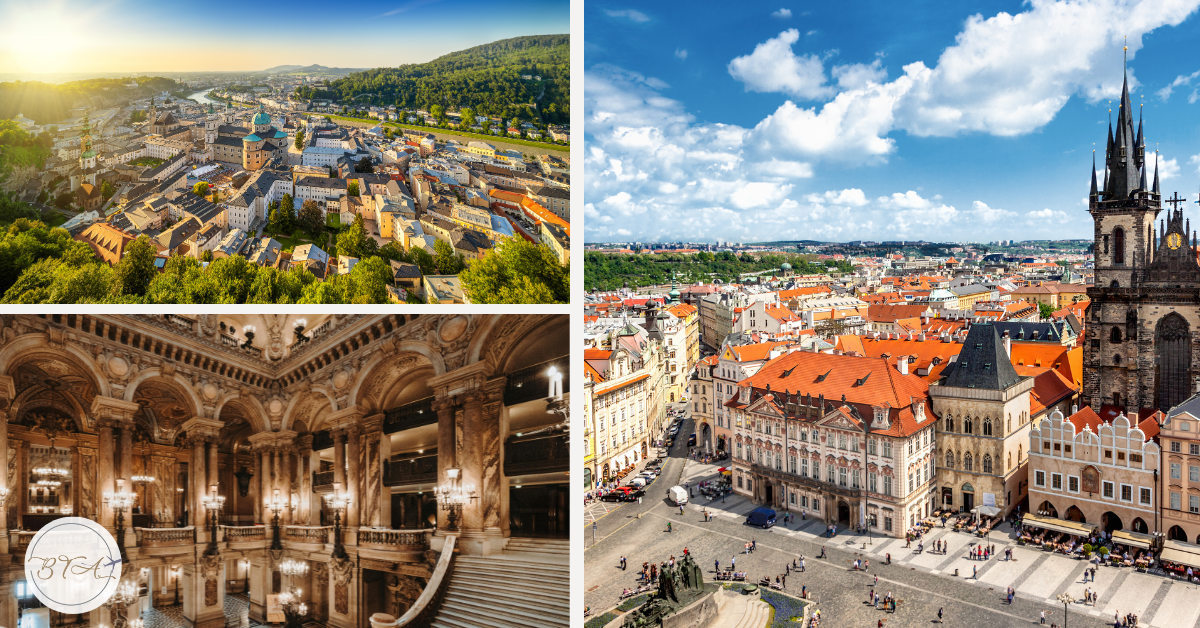
For the traveler with a cultivated ear and an appreciation for cultural depth, few experiences rival hearing a great orchestra or opera in the city that shaped that music’s heritage. In the article that follows, we explore three leading cities in the United States and seven abroad, each chosen for its musical pedigree, architectural splendor, and immersive potential. Because refined travel hinges on thoughtful details, you will also find recommendations for deluxe, luxury, and ultra-luxury stays that elevate each performance into a complete cultural journey.
Book Your Stay Through Our Exclusive Phoenix Symphony Luxury Travel Club and receive VIP amenities worth $550/stay*
If you wish for your travel to have an impact at home and abroad, reserve your stay through the Phoenix Symphony Luxury Travel Club. Booking your hotels and curated experiences through the club unlocks preferred rates, value-added amenities, and VIP touches at leading properties while a portion of trip revenue supports the Phoenix Symphony’s performances, education programs, and community outreach.
Every itinerary can be tailored around concert seasons and festival calendars, with private guiding, pre-concert dining, and post-performance access arranged to suit your preferences. Travel becomes a patronage of the arts. Each stay sustains live music in Phoenix and keeps the city’s cultural heartbeat strong for future generations.
From gilded opera houses in Vienna to candle-lit performances in Boston, these cities compose a symphony of travel and timeless art.
I. United States: Modern Stages, Enduring Traditions
1. New York City, USA

City Introduction: A metropolis of ambition and artistry, New York City stands at the crossroads of global commerce, culture, and performance. Skyscrapers reflect the city’s vertical energy, yet beneath the surface lies a rich fabric of classic theatres, concert halls, and immigrant musical legacies. From Harlem to Midtown, this city pulses with creative possibility.
Signature Experience: Home to the venerable Carnegie Hall and the Metropolitan Opera, New York remains one of the world’s premier stages for classical music. Each season, Lincoln Center becomes a canvas for global talent—from bold new works to timeless symphonies.
What makes it unique: Nowhere else does classical music coexist so naturally with jazz, Broadway, and experimental forms. Every evening offers a choice between tradition and reinvention.
UNESCO Connection
New York’s UNESCO story and its musical life intertwine less through a single “music-defined” site than through a constellation of places where architecture, ideals, and sound meet.
The Statue of Liberty, inscribed on the UNESCO World Heritage List in 1984, is first a symbol of freedom and migration, but that same migratory history underpins New York’s soundscape. The waves of arrivals who saw Liberty Island from ship decks later shaped the city’s music: Yiddish theatre on the Lower East Side, Italian opera traditions that helped fill Carnegie Hall, and Black American migrants whose jazz and gospel transformed Harlem and, later, global music itself.
Uptown, the Solomon R. Guggenheim Museum, inscribed as part of the Frank Lloyd Wright 20th-century Architecture World Heritage site, anchors a very different chapter. Its spiral form and modernist ethos resonate with the experimental spirit of New York’s twentieth-century music: from the avant-garde circles of the mid-century to the downtown minimalists and today’s cross-disciplinary performances. The museum sits within walking distance of Central Park. It is on the U.S. UNESCO Tentative List, where the New York Philharmonic’s free summer concerts and open-air festivals turn a landmark cultural landscape into a shared listening room for the city.
Where to Stay in New York for Culture and Music:
-
Deluxe: The Carlyle, A Rosewood Hotel – classic elegance in Midtown Manhattan.
-
Luxury: Mandarin Oriental, New York – modern refinement with sweeping Central Park views.
-
Ultra-Luxury: Baccarat Hotel New York – opulent finishes and six-star service, ideal for the next-level indulgence.
VIP amenities worth $550/stay*
2. Chicago, USA

City Introduction: Rising from the shores of Lake Michigan, Chicago blends robust architecture with soulful Midwestern energy. The city’s grandeur, expressed in steel and glass, is matched by its cultural depth—a hub for improvisation and orchestral precision alike.
Signature Experience: The Chicago Symphony Orchestra is among the “Big Five” U.S. orchestras. Its performances at Symphony Center define American orchestral excellence. The Lyric Opera of Chicago brings drama and stagecraft to the mix.
What makes it unique: Chicago combines powerhouse institutions with intimate venues, adding a vibrant post-concert social dimension in a city that prizes both excellence and access.
UNESCO Connection
Chicago does not brand itself officially as a “City of Music,” yet its recognised architectural heritage and its living jazz and blues culture are increasingly framed together in UNESCO’s orbit.
Where to Stay in Chicago for Culture and Music:
-
Deluxe: Nobu Hotel Chicago – stylish, in the revitalised Fulton Market district.
-
Luxury: Pendry Chicago – sleek high-rise, central to the Gold Coast and Magnificent Mile.
-
Ultra-Luxury: Park Hyatt Chicago – generous rooms, refined service, perfect for a music-infused urban escape.
VIP amenities worth $550/stay*
Also check out our article on Top 10 Favorite Forbes Endorsed Hotels in The US
3. Boston, USA

City Introduction: Among America’s oldest cities, Boston combines historic integrity with academic rigor, intellectual curiosity, and cultural aspiration. Red-brick townhouses meet modern glass towers, and evocative harbour views give way to concert halls that echo with 19th-century ambition.
Signature Experience: The Boston Symphony Orchestra is among the world’s most respected ensembles; its summer home at Tanglewood invites a chance to hear music in the Berkshires.
What makes it unique: Boston is a city of musical scholarship—its conservatories, colleges, and halls infuse performance with thought and tradition. The ambience is one of quiet excellence.
Where to Stay in Boston for Culture and Music:
-
Deluxe: Fairmont Copley Plaza – a timeless landmark steps from Symphony Hall.
-
Luxury: Mandarin Oriental, Boston – elegant, modern, with exceptional wellness amenities.
-
Ultra-Luxury: Boston Harbor Hotel – expansive harbour views and a serene retreat after an evening concert.
VIP amenities worth $550/stay*
II. Europe and Beyond
4. Vienna, Austria

City Introduction: With imperial palaces, grand boulevards, and the water of the Danube, Vienna is a city built for music. From the Habsburg era to the present day, this capital remains a cultural jewel where concert life is woven into everyday life.
Signature Experience: The Vienna State Opera and the Musikverein host the Vienna Philharmonic and other top ensembles. The legacies of Mozart, Beethoven, and Strauss still permeate Vienna’s streets.
What makes it unique: Music is in the air here—coffee-house recitals, late-night chamber concerts, and the sense that one is stepping into history.
UNESCO Connection
Vienna markets itself, very credibly, as the City of Music. For several centuries, it has attracted and nurtured composers such as Haydn, Mozart, Beethoven, Schubert, Brahms, Mahler, and the Strauss family, and it remains a global reference point for classical music. Music of Vienna.
The city itself holds two primary UNESCO World Heritage inscriptions:
-
Historic Centre of Vienna
-
Listed for its layered urban fabric and its role as a leading European music centre from the age of Viennese Classicism through the early twentieth century.
-
Within this zone, you have St Stephen’s Cathedral, the Hofburg, the Vienna State Opera, and the Ringstrasse, all of which form the backdrop to Vienna’s musical life.
-
-
Palace and Gardens of Schönbrunn
-
Inscribed as an outstanding Baroque ensemble and symbol of Habsburg power.
-
The palace has a strong musical narrative: Mozart famously performed here as a child, and today the Vienna Philharmonic’s Summer Night Concert in the gardens is a flagship classical event broadcast internationally.
-
Where to Stay in Vienna for Culture and Music:
-
Deluxe: Hotel Imperial, a Luxury Collection Hotel – imperial elegance just off the Ringstrasse.
-
Luxury: Park Hyatt Vienna – refined contemporary comfort in a converted banking hall.
-
Ultra-Luxury: The Ritz-Carlton, Vienna – palatial service in the heart of the city’s musical quarter.
VIP amenities worth $550/stay*
5. Salzburg, Austria

City Introduction: Tucked into the Austrian Alps, Salzburg offers baroque architecture, alpine clarity, and musical heritage. Its charming old town and fortress-topped skyline give a story-book backdrop to an extraordinary festival city.
Signature Experience: The birthplace of Mozart, Salzburg hosts the renowned Salzburg Festival each summer—opera, drama, and symphony in historic venues.
What makes it unique: Salzburg is part music-city, part mountain retreat—a place where the grandeur of the concert hall meets the whisper of the alpine breeze.
UNESCO Connection
Since 1996, the Historic Centre of the City of Salzburg has been inscribed on the UNESCO World Heritage List for its exceptionally well-preserved Baroque urban fabric and its history as an ecclesiastical city-state that mediated between Italian and German cultural spheres. UNESCO World Heritage Centre.
City of Mozart
Salzburg is universally marketed as the City of Mozart: Here, the UNESCO World Heritage Site and the musical narrative are literally superimposed. Within a compact walkable core, you have:
-
Mozart’s Birthplace (Getreidegasse) and Mozart’s Residence (Makartplatz) are both embedded in the World Heritage zone.
-
A dense landscape of churches and former court venues where Mozart’s sacred music and early works were first performed.
Thousands of visitors come specifically to follow Mozart’s life within this Baroque cityscape, giving the “composer trail” depth that extends well beyond a single museum visit.
Where to Stay in Salzburg for Culture and Music:
-
Deluxe: Hotel Stein – the legendary hotel in the center of Salzburg, which was known as an inn in the Middle Ages, has a long and eventful history. Now it is an *Adult Only* hotel for travelers 16 and over.
-
Luxury: Das Achental –spacious complex with extensive garden and 2,000 sqm wellness area – golf course and gourmet restaurant.
-
Ultra-Luxury: Hotel Sacher Salzburg – refined lakeside elegance plus legendary Sachertorte.
VIP amenities worth $550/stay*
6. Prague, Czech Republic

City Introduction: On the Vltava River, Prague is a medieval gem where Gothic spires, baroque facades, and cobblestone lanes recall centuries of culture. Its atmospheric setting provides an enchanting stage for classical music.
Signature Experience: The Rudolfinum houses the Czech Philharmonic, and historic venues like the Estates Theatre recall premieres by Mozart.
What makes it unique: Prague’s blend of architectural romance and musical tradition makes each concert feel like a journey into another era.
UNESCO Connection
Since 1992, the Historic Centre of Prague has been inscribed on the UNESCO World Heritage List for its remarkable architectural continuum, spanning Romanesque foundations, Gothic grandeur, and an extensive Baroque and Art Nouveau legacy. This historic urban ensemble reflects a millennium of cultural development at the heart of Central Europe.
Where to Stay in Prague for Culture and Music:
-
Deluxe: Andaz Prague – contemporary design meets historic ambience.
-
Luxury: Augustine, a Luxury Collection Hotel – boutique elegance in a former monastery.
-
Ultra-Luxury: Mandarin Oriental, Prague – serene retreat amid the city’s old lanes and gardens.
VIP amenities worth $550/stay*
7. London, United Kingdom

City Introduction: London’s centuries-old heritage, global outlook, and cultural dynamism make it a feast for concertgoers. From Palladian halls to modern multi-media spaces, the city embraces orchestral tradition and innovation alike.
Signature Experience: The Royal Opera House and Royal Albert Hall define London’s classical grandeur; the BBC Proms turn the city into a summer-long celebration of music.
What makes it unique: London’s musical institutions serve as bridges between eras—innovative yet deeply anchored in tradition. The diversity of venues ensures there is always something new to explore.
UNESCO Connection
Within Greater London, three distinct ensembles are inscribed on the UNESCO World Heritage List: the Palace of Westminster, Westminster Abbey, and Saint Margaret’s Church (1987), the Tower of London (1988), and Maritime Greenwich (1997).
City of Music and Global Stage
London’s musical life is layered directly onto this UNESCO World Heritage Site: major concert halls, opera houses, conservatoires, and legendary studios sit within or just beyond the historic cores that frame the Thames. Within this broad but still walkable central area, one encounters:
-
The Royal Albert Hall is a Victorian concert amphitheatre renowned for the BBC Proms and for hosting everything from grand opera and symphonic cycles to contemporary concerts and awards ceremonies.
-
The Southbank Centre, home to the Royal Festival Hall and a dense year-round programme of classical, jazz, experimental, and popular music along the riverfront facing the Westminster World Heritage Site.
-
The Barbican Centre, Europe’s largest multi-arts complex and the principal home of the London Symphony Orchestra and BBC Symphony Orchestra, is where concert life unfolds inside a listed modernist ensemble integrated into the historic City of London.
-
The Royal Opera House in Covent Garden, seat of The Royal Opera and The Royal Ballet, where opera and ballet traditions that began in the eighteenth century continue in a historic yet constantly evolving theatre at the heart of “Theatreland.”
-
Abbey Road Studios in St John’s Wood, the Grade II-listed recording complex associated with The Beatles and countless landmark sessions, anchors London’s identity as a recording capital as much as a performance city.
For visitors, the result is a “composer and performer trail” that is less about a single museum and more about inhabiting a living musical ecosystem: one can attend a symphony at Southbank or the Barbican, an opera in Covent Garden, a late-night gig on the riverfront, and the next morning cross to Greenwich to experience concerts and conservatoire life inside a UNESCO maritime ensemble.
Where to Stay in London for Culture and Music:
- Deluxe: The Langham London – historic luxury near major cultural landmarks.
-
Luxury: The Savoy, A Fairmont Managed Hotel – art-decade elegance with Thames-side views.
-
Ultra-Luxury: The Peninsula London – ultra-refined hospitality in the heart of Mayfair.
VIP amenities worth $550/stay*
8. Milan, Italy

City Introduction: Milan blends the elegance of Italian design, the energy of commerce, and the drama of opera. With grand shopping galleries, sleek skyscrapers, and ancient churches, the city frames classical music within a modern Italian context.
Signature Experience: The Teatro alla Scala is the world’s opera capital. Each performance channels the emotional drama of Verdi and Puccini.
What makes it unique: Milan fuses high style, rich musical traditio,n and city living. Audiences dress as elegantly as the performers, making every evening an event.
UNESCO Connection
Since 1980, the Church and Dominican Convent of Santa Maria delle Grazie, home to “The Last Supper” by Leonardo da Vinci, has been inscribed on the UNESCO World Heritage List as a masterpiece of Renaissance art and architecture.
City of Opera and Musical Craftsmanship
Milan’s international identity as a capital of opera and musical training is layered onto this broader cultural landscape, linking its Renaissance heritage with a living performance culture:
-
Teatro alla Scala, opened in 1778, is regarded as one of the world’s most prestigious opera houses, historically associated with Verdi and a long line of legendary singers, conductors, and ballet companies. Its season opening on 7 December is a national cultural event, and the adjacent Museo Teatrale alla Scala interprets this heritage through archives, costumes, and stage designs.
-
The Conservatorio di Musica “Giuseppe Verdi” di Milano, founded in 1808 and today Italy’s largest University of music, anchors a dense musical ecosystem of students, ensembles, and contemporary composers, with regular public performances that connect professional training to the city’s wider audience.
-
A network of historic churches, theatres, and civic venues across the centre hosts sacred music, chamber series, and contemporary festivals, allowing visitors to experience music in settings ranging from Renaissance cloisters to nineteenth-century halls.
While Milan is also a UNESCO Creative City of Literature, its musical narrative is equally compelling. For culturally focused travellers, the experience is not limited to a single opera evening: one can combine a performance at La Scala, a museum visit, and a conservatory concert into a coherent “music trail” that connects Milan’s operatic prestige, pedagogical excellence, and UNESCO-recognised heritage in a single urban itinerary.
Where to Stay in Milan for Culture and Music:
-
Deluxe: Palazzo Parigi Hotel & Grand Spa – sumptuous comfort near the city’s cultural heart.
-
Luxury: Mandarin Oriental, Milan – contemporary refinement in a historic palazzo.
-
Ultra-Luxury: Four Seasons Hotel Milano – unparalleled service within the Brera district.
VIP amenities worth $550/stay*
9. Paris, France

City Introduction: Paris is a city of light, intellect, and artistic exaltation. Its broad boulevards and intimate lanes alike hum with creative history—from the salons of the Enlightenment to the avant-garde concerts of the 21st century. The Seine’s banks themselves tell the story of the city’s evolving culture.
Signature Experience: At the Philharmonie de Paris, one finds an extraordinary modern concert hall which hosts the Orchestre de Paris and visiting ensembles in acoustically superb surroundings. Likewise, historic churches and halls such as Église de la Madeleine offer memorable classical evenings.
What makes it unique: In Paris, classical music and urban life are entwined—an evening concert may be followed by a stroll along the Seine, an espresso at midnight, or a late-night recital in a Gothic chapel.
UNESCO Connection
Since 1991, the Banks of the Seine in Paris have been inscribed on the UNESCO World Heritage List for their exceptional concentration of monuments and urban ensembles, from Notre-Dame and the Sainte-Chapelle to the Louvre, the Invalides, the Grand Palais, and the Eiffel Tower. Together they illustrate the evolution of Paris and its role as a political, cultural, and artistic capital from the Middle Ages to the twentieth century.
City of Music, Art, and Ideas
Paris’s musical life is deeply intertwined with this UNESCO landscape and with UNESCO itself, whose headquarters in the 7th arrondissement serves as a global cultural forum hosting regular concerts and artistic events. Bella Music Foundation (for the Blind). Within this largely walkable central zone, culturally focused travellers encounter:
-
The Opera Garnier, a nineteenth-century architectural masterpiece just beyond the Seine banks, whose grand foyer, ceiling by Chagall, and historic auditorium link ballet and opera traditions directly to the Haussmannian cityscape celebrated by UNESCO. Its twin, the contemporary Opera Bastille, anchors Paris’s modern operatic life on the eastern side of the historic centre.
-
The Philharmonie de Paris and Cité de la Musique in the Parc de la Villette, an innovative complex dedicated to music in all its forms—symphonic seasons, festivals, participatory workshops, and digital programming—complemented by the Musée de la Musique, whose collection of more than 8,000 instruments and objects narrates the history of Western music and global musical cultures.
-
A dense constellation of churches and historic venues along the Seine—such as La Madeleine and Saint-Eustache—that host regular organ recitals, sacred music series, and festivals, allowing visitors to experience music within the very architectural ensembles that define the World Heritage site.
-
UNESCO Headquarters itself in Paris, which curates concerts and special events that foreground music as a tool for dialogue and inclusion, from International Jazz Day initiatives to dedicated festivals and peace concerts held in the main auditorium.
For visitors, Paris offers a musical itinerary that is not confined to a single hall or museum. One can move from opera at Garnier to contemporary symphonic programming at the Philharmonie, from chamber music under gilded domes to intercultural concerts at UNESCO House, all against the backdrop of a UNESCO-inscribed river city whose very skyline and rooftops have recently been recognised on the Intangible Cultural Heritage list.
Where to Stay in Paris for Culture and Music:
-
Deluxe: So Paris Hotel – ideally located between the Marais and Île Saint-Louis – offers breathtaking views of Paris’s most iconic landmarks.
-
Luxury: Hôtel de Crillon – historic palace hotel near the Place de la Concorde..
-
Ultra-Luxury: The Peninsula Paris – grand comfort and impeccable service in the heart of the 1st arrondissement.
VIP amenities worth $550/stay*
10. Tokyo, Japan

City Introduction: Tokyo is a city of incredible discipline, precision, and technological elegance. Its neon-lit towers and serene gardens both reflect a culture that honours tradition and innovation equally. Here, Western classical music finds new resonance in an Eastern context.
Signature Experience: The NHK Symphony Orchestra and the Suntory Hall deliver acoustically perfect performances in a city that prizes excellence of execution.
What makes it unique: Japan blends technical mastery and devotion, interpreting Western classical forms with sensitivity and maturity. A concert evening in Tokyo often becomes a meditative ritual as much as entertainment.
Travel Tip: Japan has strict limitations on luggage when taking their train system. Consider shipping luggage ahead and learn the benefits of being Luggage Free.
UNESCO Connection
While Tokyo’s major concert venues are not themselves UNESCO-listed, Japan’s cultural heritage sites (such as Kyoto and Nikko) reflect the deep aesthetic foundations behind Tokyo’s musical life.
Since the Edo period, when Tokyo was still Edo, the city’s soundscape has been central to its identity: temple bells over the Sumida, the chants of street vendors, and the highly codified music of Noh and Kabuki theatres that today form part of Japan’s classical performing arts. With the Meiji Restoration, Western instruments and harmonies entered the capital, giving rise to military bands, conservatories, and eventually the great symphony orchestras that now perform in halls such as Suntory Hall and Tokyo Opera City.
In the post-war decades, Tokyo became a true musical crossroads, absorbing American jazz in smoky Shinjuku basements, nurturing avant-garde composers in university circles, and later exporting “city pop” and J-pop that would shape global perceptions of Japanese culture.
Today, historic neighbourhoods and cutting-edge districts coexist in a single musical continuum: traditional theatre stages, postmodern concert halls, and dense constellations of live houses in Shibuya, Shimokitazawa, and Koenji. Taken together, they tell the story of a city whose history can be read—and heard—through its music, from Edo-period ritual and courtly refinement to contemporary electronic experimentation and global pop.
Where to Stay in Tokyo for Culture and Music:
-
Deluxe: Kimpton Shinjuku Tokyo– is where creativity comes to life, and there is always something new to see and experience, from art installations to retail pop-ups and locally loved restaurants
-
Luxury: Park Hyatt Tokyo– modern luxury with understated Japanese refinement.
-
Ultra-Luxury: Aman Tokyo – ultra-refined retreat above the city skyline, ideal to decompress after a night at the concert hall.
VIP amenities worth $550/stay*
Conclusion
Across continents, classical music connects travelers through the shared language of emotion and artistry. These ten cities not only host the world’s finest performances but also invite us into the places where this music evolved, was performed, and continues to thrive. For the sophisticated traveller, each destination offers more than a concert—it provides a movement in a grander symphony of culture and place.
*Benefits apply to eligible bookings, average value based on a typical two-night stay. Varies by property and dates.
—
Boutique Travel Advisors is a full-service, luxury travel agency. We specialize in creating bespoke itineraries for discerning clients around the world. Please visit our website or call 480-787-1477 to speak with a dedicated travel expert.
Are you planning an international or domestic trip? Check out our other articles to help you come prepared!
We highly recommend the purchase of travel insurance to protect your financial investment and health while traveling internationally. To purchase a policy with our preferred travel insurance company Arch RoamRight click here.
If you would like assistance purchasing a travel insurance policy, please get in touch with a BTA advisor.


