
We are a Virtuoso Member travel agency. If you book through us, we may earn compensation from the hotel or travel supplier (typically at no additional cost to you). We recommend properties based on your style of travel and our professional judgment, never on compensation.
Positano’s name alone conjures visions of pastel façades tumbling down cliffs toward an indigo sea, terraced lemon groves, and Mediterranean light that seems to soften every edge. It is one of Italy’s most iconic destinations, yet staying here is not effortless. The difference between a magical stay and a frustrating one often comes down to understanding what the glossy photos leave out.
This guide covers the realities that impact a stay in Positano, from geography and logistics to hotel selection and seasonality, so you arrive informed and prepared.
BTA Luxury Travel Club
Book your next stay through our club to unlock special complimentary perks at no additional cost, while a portion of every stay supports philanthropic causes.
EXCLUSIVE AMENITIES WORTH $550+/STAY*
VIP recognition at check-in and exclusive experiences
Preferred rates and availability
Breakfast credit or daily breakfast for two
Hotel, spa, or dining credits
Priority for upgrades, early check-in and late check-out
Thoughtful pre-arrival planning
*Benefits apply to eligible bookings, average value based on a typical two-night stay. Varies by property and dates.
Understanding Positano’s Geography
Positano is built vertically into the cliffs. The dramatic terrain creates extraordinary views, but it also defines daily life. Movement through town is almost entirely on foot, often on long staircases rather than flat streets.
Many luxury hotels provide porter service because rolling luggage is impractical on stone steps and narrow lanes. Higher elevations bring quieter surroundings and expansive sea views, while lower elevations offer proximity to the beach and town center.
Arrival and Transport Logistics
Positano does not have an airport or train station. Most travelers arrive via Naples International Airport or Rome Fiumicino Airport, followed by a private car transfer or a seasonal ferry connection.
If you are considering rail as part of your Italy routing, the U.S. Department of State’s Italy country information page includes practical notes on train travel and accessibility support in stations. Italy International Travel Information (trains).
Arriving by sea offers one of the most memorable first impressions, with Positano gradually revealing itself from the water. Road transfers along the Amalfi Drive are scenic but slow due to narrow lanes and traffic congestion, so private transfers remain the most comfortable option.
Where to Stay in Positano
Le Sirenuse

Photo courtesy of Le Sirenuse
A Positano classic with a central position above the village, strong service culture, and sea views that feel quintessentially Amalfi.
Helpful tip: Choose this for walkability to restaurants and boutiques, and reserve sea-view rooms early for summer and early autumn.
Il San Pietro di Positano

Photo courtesy of Il San Pietro Di Positano
A cliffside sanctuary with exceptional privacy, elevator access to a private beach, and a distinctly refined, quiet atmosphere.
Helpful tip: Ideal for travelers who value tranquility and culinary depth, while still having easy access to Positano via hotel transfers.
Hotel Villa Franca

Photo courtesy of Hotel Villa Franca
A contemporary boutique option above the town with a rooftop scene and wide-open panoramas.
Helpful tip: Best for travelers who prioritize views and a modern aesthetic. Plan to use the shuttle for town access, especially in the evenings.
Seasonal Realities and Crowd Dynamics
Late April through June and September through early October typically offer the most balanced experience: warm weather, open services, and more breathable crowds.
July and August bring peak demand and density, and winter months can be quiet with many seasonal closures. If you want full services and an energetic atmosphere, plan within the main season.
Daily Life in Positano
Mornings are calm and ideal for walking the town or swimming before day visitors arrive. Afternoons slow under the Mediterranean sun. Evenings unfold gradually with aperitivo and long dinners.
Spiaggia Grande is the social hub, while Fornillo Beach offers a quieter alternative. Advance reservations are essential for popular restaurants and beach clubs.
Exploring Beyond Positano
Positano works beautifully as part of a broader Amalfi Coast itinerary. Seasonal ferries connect the town to Capri, Amalfi, and Sorrento. Ravello provides a quieter, elevated contrast.
For hikers, the Path of the Gods delivers extraordinary coastal views, but it requires planning for transportation and terrain.
Alternatives to Staying in Positano:

Amalfi Town
Best for: People who want the full Amalfi Coast experience without Positano’s chaos or price tag.
What most guides don’t tell you: Amalfi empties out around 5pm when the day-trippers leave, and you get the town to yourself. The tiny neighboring village of Atrani (a 5-minute walk) has locals-only restaurants and far fewer tourists. Also, Amalfi is your ferry hub, you can boat to Positano, Capri, and Salerno without dealing with those hairpin coastal roads.
Logistics: The main piazza area is actually flat and walkable. Yes, hotels on the hillsides have stairs, but you’re not climbing 400 steps to get groceries like in Positano. Parking is still tight but slightly more manageable.
Insider tip: Visit the Museo della Carta (paper museum) in a medieval paper mill., it’s weirdly fascinating and empty even in August.
Ravello
Best for: People who care more about jaw-dropping views and gardens than being on the beach.
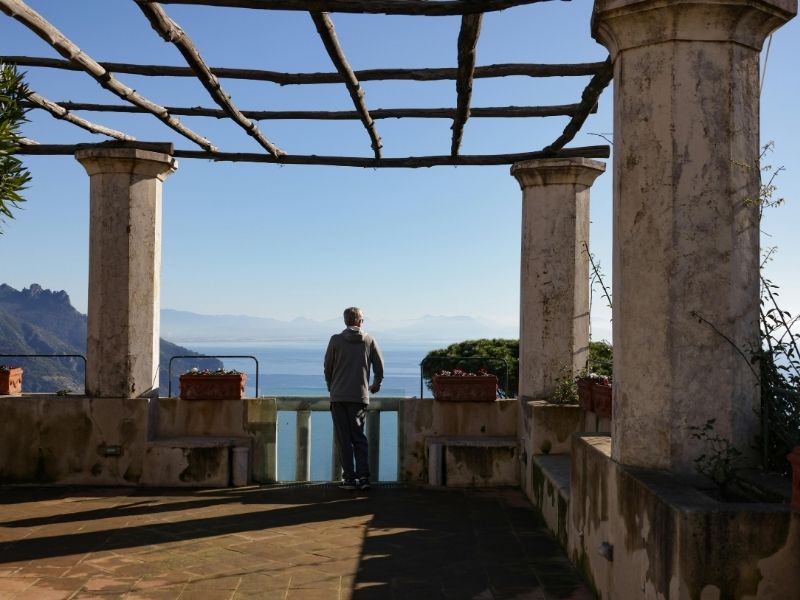
What most guides don’t tell you: Ravello has better restaurant value than Positano because it’s not beach-club pricing. Villa Cimbrone’s gardens have the famous Terrace of Infinity, but go early before tour buses arrive. Villa Rufolo is smaller but has the Wagner connection and summer concerts. The Oscar Niemeyer auditorium (yes, that Niemeyer) hosts the Ravello Festival, worth timing your trip around if you like classical music.
Logistics: Once you’re up there (30-minute winding bus or taxi from Amalfi), everything is walkable and relatively flat. Parking is easier than coastal towns. You can even walk to tiny Scala village for total solitude.
Vibe: Quiet, refined, older crowd. Think honeymooners and retirees, not Instagram influencers.
Sorrento
Best for: People who want regional access, mobility-friendly terrain, and actual value.
Important: Sorrento isn’t technically on the Amalfi Coast, it’s across the bay on the Sorrentine Peninsula. But it’s connected to everything.
What most guides don’t tell you: Sorrento is a real Italian town where actual Italians live and work. You’ll find better hotel infrastructure here, more 4-star options, better breakfast spreads, functional air conditioning. There’s a town elevator that goes down to Marina Piccola (the small port), so you’re not trapped on a cliff. The train station connects you to Naples and Pompeii in under an hour. Ferries run to Capri (20 min), Positano (35 min), and Amalfi.
Logistics: Mostly flat with wide sidewalks and promenades. Genuinely accessible for people with mobility issues, strollers, or anyone who doesn’t want to athlete their way through vacation.
Insider tip: Walk 20 minutes to Meta di Sorrento for a local beach scene with zero tourists. Also, Sorrento’s happy hour (aperitivo) culture is legit—bars actually put out substantial food spreads.
Capri
Best for: Glamour, people-watching, and that specific “island escape” feeling—if you stay overnight.
What most guides don’t tell you: Capri gets mobbed by day-trippers from 10am-5pm, but if you’re staying on the island, you get magical mornings and evenings when it’s nearly empty. Anacapri (the upper town) is way calmer than Capri Town and has Villa San Michele, which most people skip. Take the cheap bus between the two—the funicular is a tourist trap.
Logistics: Capri Town is surprisingly walkable with cute pedestrian lanes. Anacapri has some hills but nothing like Positano’s vertical nightmare. You’ll still encounter stairs, just not constantly.
Insider tip: Book Marina Piccola beach clubs months ahead if going in summer. September is the sweet spot—still warm, way fewer crowds, better hotel availability, and Italians have gone home.

Final Planning Considerations
Secure reservations early, select accommodations aligned with your mobility and pacing preferences, and rely on concierge expertise for logistics and experiences.
When approached thoughtfully, Positano offers a rare balance of natural beauty, cultural texture, and enduring elegance.
—
Boutique Travel Advisors is a full-service, luxury travel agency. We specialize in creating bespoke itineraries for discerning clients around the world. Please visit our website or call 480-787-1477 to speak with a dedicated travel expert.
Are you planning an international or domestic trip? Check out our other articles to help you come prepared!
We highly recommend the purchase of travel insurance to protect your financial investment and health while traveling internationally. To purchase a policy with our preferred travel insurance company Arch RoamRight click here.
If you would like assistance purchasing a travel insurance policy, please get in touch with a BTA advisor.


